
Everyday Vitamins and Food Sources
An educational resource providing general information about vitamins, minerals, and their natural food sources in the context of everyday nutrition.
Educational content only. No medical services. No promises of outcomes.
Introduction to Nutritional Basics
This resource provides general educational information about vitamins and minerals commonly found in everyday foods. The content is intended for informational purposes only and does not constitute individual dietary advice or recommendations.
Nutritional science explores how various nutrients found in natural foods contribute to general bodily functions. Understanding the basic sources of vitamins and minerals can help individuals make informed decisions about their everyday eating habits.
Key Vitamins Summary

Vitamins are organic compounds that occur naturally in foods and play various roles in maintaining general bodily functions. The following overview presents commonly discussed vitamins in nutritional contexts.
Vitamin D
Often discussed in nutritional literature, Vitamin D is naturally present in certain foods and can be synthesized by the body when skin is exposed to sunlight. Food sources include fatty fish, egg yolks, and fortified dairy products.
Vitamin C
An essential nutrient found abundantly in citrus fruits, berries, bell peppers, and leafy greens. Vitamin C is a water-soluble vitamin widely studied in nutritional science.
B Vitamins
A group of water-soluble vitamins including B6, B12, and folate. Common food sources include whole grains, legumes, nuts, seeds, leafy vegetables, eggs, and dairy products.
Vitamin A
Found in foods such as carrots, sweet potatoes, spinach, and liver. This fat-soluble vitamin is commonly referenced in discussions of general nutrition.
Vitamin E
Present in nuts, seeds, vegetable oils, and green leafy vegetables. Vitamin E is a fat-soluble nutrient often mentioned in nutritional contexts.
Natural Food Examples
The following are examples of everyday foods that serve as natural sources of various vitamins and minerals. This information is presented for educational purposes and does not constitute dietary recommendations.

Nuts and Seeds
Almonds, walnuts, sunflower seeds, and pumpkin seeds contain various vitamins and minerals including Vitamin E, magnesium, and zinc. These foods are commonly discussed in nutritional literature.

Seafood
Fish such as salmon, mackerel, and sardines, as well as shellfish like oysters and mussels, are natural sources of Vitamin D, B vitamins, selenium, and zinc.

Whole Grains
Oats, quinoa, brown rice, and whole wheat products contain B vitamins, iron, magnesium, and selenium. Whole grains are frequently referenced in nutritional education.
| Food Category | Common Examples | Nutrients Often Discussed |
|---|---|---|
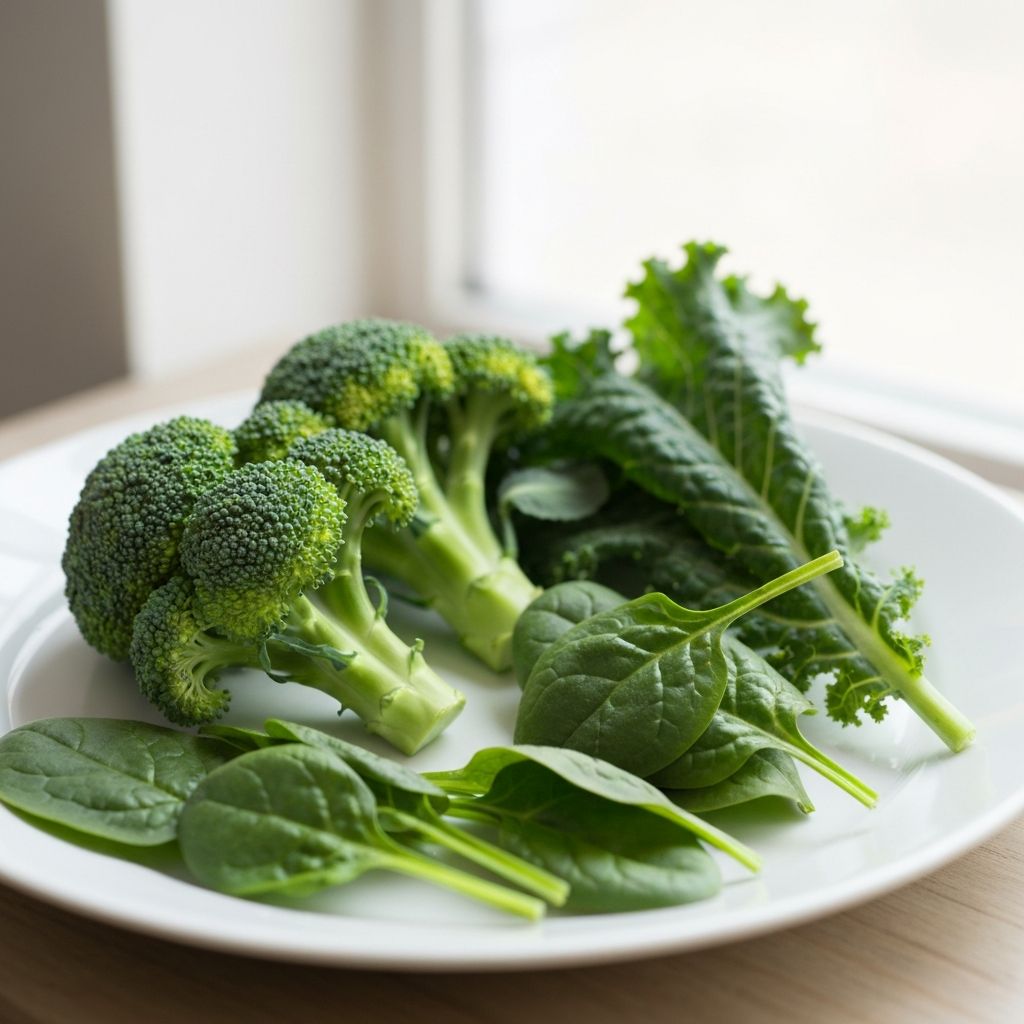
| Leafy Greens | Spinach, Kale, Swiss Chard | Vitamin K, Folate, Iron, Magnesium |
| Citrus Fruits | Oranges, Lemons, Grapefruits | Vitamin C, Folate, Potassium |
| Legumes | Lentils, Chickpeas, Black Beans | B Vitamins, Iron, Zinc, Magnesium |
| Dairy Products | Milk, Yogurt, Cheese | Calcium, Vitamin D, B12, Riboflavin |
| Eggs | Chicken Eggs | Vitamin D, B12, Selenium, Choline |
General Nutritional Function
Vitamins and minerals participate in numerous biochemical processes throughout the body. The scientific understanding of these processes is based on decades of research in nutritional science.
Metabolic Processes
Many vitamins serve as cofactors in enzymatic reactions involved in energy metabolism. B vitamins, for instance, are frequently studied in relation to how the body processes macronutrients from food.
Cellular Functions
Minerals such as zinc, selenium, and magnesium are involved in various cellular processes. These nutrients are commonly discussed in nutritional biochemistry literature.
Immune System Context
Certain vitamins and minerals, including Vitamin C, Vitamin D, and zinc, are often referenced in discussions about general immune function in nutritional science publications.
Bone Health
Calcium, Vitamin D, and magnesium are frequently mentioned in educational materials about bone structure and maintenance throughout different life stages.
Myths and Evidence

Popular understanding of nutrition often includes misconceptions. Scientific research provides context for evaluating common nutritional claims.
Myth: Single Foods Provide Complete Nutrition
Scientific evidence suggests that no single food contains all necessary nutrients in optimal amounts. Nutritional diversity is a key principle in dietary science.
Myth: More Vitamins Are Always Better
Research indicates that both deficiency and excess of certain nutrients can be problematic. The concept of optimal intake varies based on individual factors and is subject to ongoing scientific investigation.
Evidence-Based Understanding
Nutritional science relies on controlled studies, population research, and biochemical analysis. Scientific understanding of vitamins and minerals continues to evolve as new research emerges.
Common Food Habits

Dietary patterns vary significantly across cultures, regions, and individual preferences. The following are general observations from nutritional anthropology and population studies.
Mediterranean Dietary Patterns
Characterized by frequent consumption of vegetables, fruits, whole grains, legumes, nuts, olive oil, and fish. This pattern has been extensively studied in nutritional research.
Plant-Based Eating Patterns
Diets emphasizing plant-derived foods including vegetables, fruits, grains, nuts, and legumes. Nutritional research examines various approaches to plant-focused eating.
Balanced Omnivorous Patterns
Dietary habits that include both plant and animal-derived foods in various proportions. Many traditional diets worldwide follow omnivorous patterns with regional variations.
Seasonal and Regional Variations
Historical eating patterns often reflected seasonal food availability and regional agriculture. Modern food systems have altered these traditional patterns in many populations.
Scientific Notes
Nutritional science is a field of ongoing research and investigation. Current understanding of vitamins and minerals is based on accumulating evidence from various types of studies.
Research Methodologies
Nutritional research employs diverse methodologies including randomized controlled trials, observational cohort studies, case-control studies, and biochemical analysis. Each approach has specific strengths and limitations.
Individual Variability
Scientific literature increasingly recognizes that nutritional needs and responses vary among individuals based on genetics, age, activity level, health status, and environmental factors.
Bioavailability Considerations
The presence of a nutrient in food does not guarantee its complete absorption and utilization by the body. Bioavailability varies based on food preparation, combination with other foods, and individual digestive factors.
Evolving Understanding
As research methods improve and new studies are conducted, scientific understanding of nutrition continues to develop. Current knowledge represents the best available evidence but remains subject to refinement.
Limitations and Context
This website provides general educational information only and does not offer individual dietary advice, personalized nutrition plans, or health recommendations.
Nutritional needs vary significantly among individuals based on numerous factors including age, health status, activity level, and genetic background.
The information presented here should not be used as a substitute for consultation with qualified healthcare or nutrition professionals regarding individual dietary decisions.
No outcomes, results, or health effects are promised or implied by the educational content provided on this website.
Explore Further
Learn more about general nutritional concepts and food sources.
View general facts